
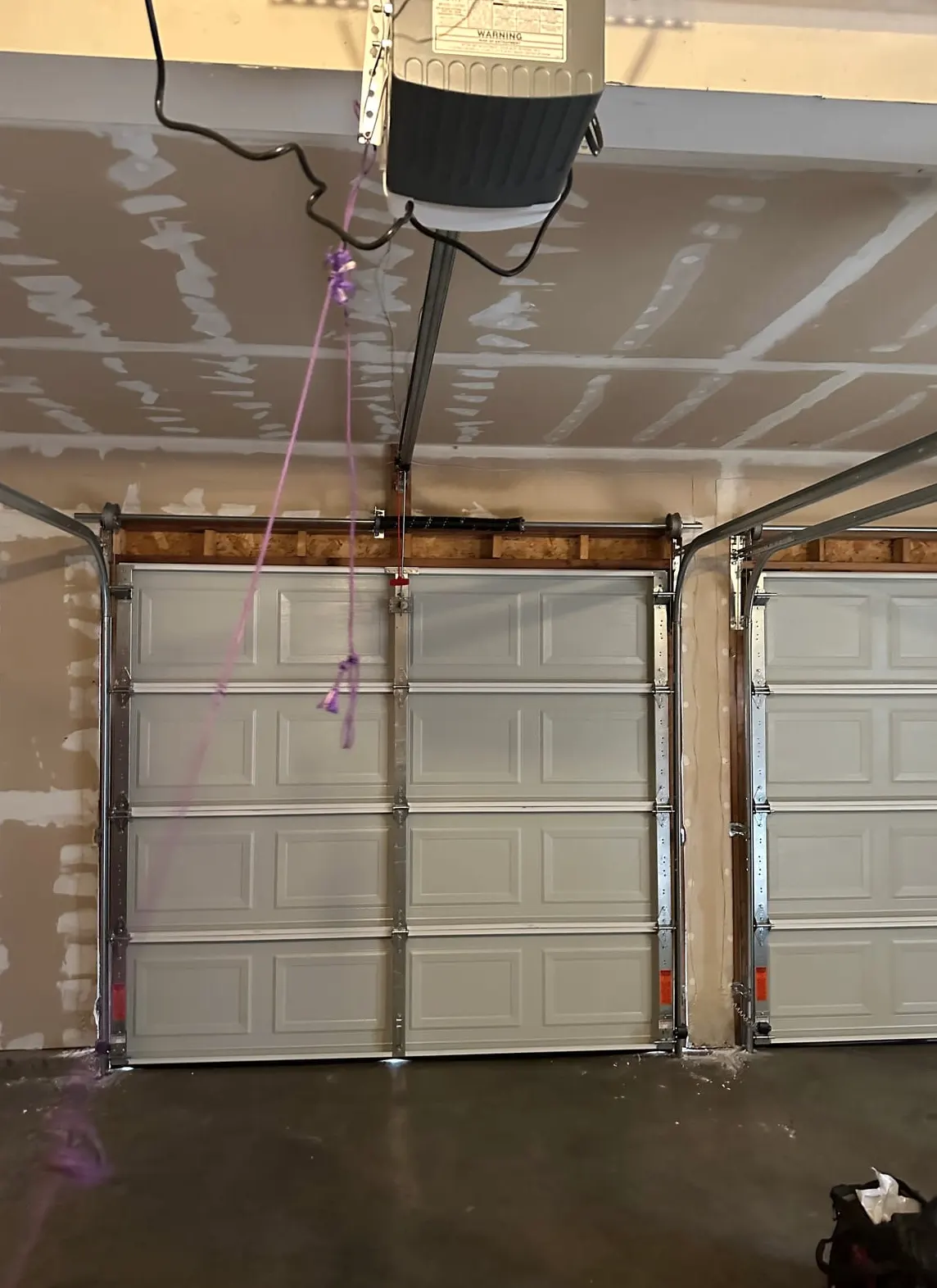
The Moment You Notice It
You're backing out of the driveway, glance in the mirror, and see your dog dart under the closing door to chase a squirrel. Or your toddler is standing by the wall button, reaching up on tiptoes, fascinated by the big door that moves. Your stomach drops for a second—then the door stops, or your dog clears it, and you tell yourself it was nothing. It wasn't nothing. It was a warning.
A garage door is one of the heaviest moving objects in most Eagle Lake homes, often 150 to 400 pounds depending on the material and size. When it's working correctly, you barely think about it. When something's off—a sensor knocked out of alignment, a spring under too much or too little tension, a remote within reach of small hands—it becomes the most dangerous thing in the garage.
What Actually Goes Wrong
Most garage door incidents involving kids and pets fall into a few repeatable patterns:
- Auto-reverse failure. Every modern opener is required to stop and reverse if the door meets resistance while closing. Over time, the force settings can drift, especially when humidity causes wood panels to swell or metal tracks to bind slightly. A door that's supposed to reverse on contact instead keeps pushing.
- Misaligned photo eyes. The two small sensors near the bottom of the tracks create an invisible beam. If that beam is broken—by a bike, a box, or a pet walking through at the wrong second—the door should stop. After storms or heavy afternoon downpours, these sensors can get bumped, splashed, or slightly shifted, and a door that looks fine on the track can quietly lose this protection.
- Pinch points. Older doors without pinch-resistant panel design have visible gaps between sections that open and close as the door moves. Small fingers fit into those gaps in ways adult fingers don't.
- Accessible controls. Wall-mounted buttons at child height, garage remotes left in reach on a shelf or in an unlocked car, and keypads with the factory code never changed all give young kids easy access to a door they don't understand.
- Spring and cable failure. A spring that snaps or a cable that frays can cause a door to drop suddenly or hang unevenly. If a child or pet is underneath or nearby when that happens, there's no warning and no time to react.
How Bad It Can Get
This isn't about scaring anyone away from using their garage—it's about taking the risk seriously enough to check it. A door that doesn't reverse properly can cause crush injuries or broken bones in a child or serious injury to a pet. A sudden cable or spring failure can drop a heavy door with no auto-reverse protection at all, since that system only governs normal opener-driven movement. Pinch points cause more minor but still painful injuries, usually to fingers. None of these require a freak accident—they require a door that's been slowly drifting out of adjustment for months, often without any obvious symptom until the day it matters.
The Specific Actions That Prevent It
None of this requires replacing your door. It requires a short list of checks, done consistently:
- Test auto-reverse monthly. Place a roll of paper towels or a 2x4 board flat on the ground where the door closes. Run the door down. It should stop and reverse immediately on contact. If it doesn't, stop using the opener until it's adjusted.
- Check the photo eye beam. Wave a broom handle through the beam while the door is closing. It should reverse instantly. Wipe the sensor lenses regularly—Florida humidity and pollen build-up can cause false readings even when alignment is fine.
- Move controls out of reach. Wall buttons should be at least five feet up, well above a toddler's reach, and ideally out of a direct line of sight from the driveway. Keep remotes off low shelves and out of unlocked vehicles.
- Set a real keypad code and change it if you've ever shared it with a contractor, pet sitter, or previous tenant.
- Teach older kids the one rule that matters: never stand, play, or let a pet linger under a moving door, and never race a closing door. It sounds obvious; it's also exactly what most incidents look like in hindsight.
- Watch for seasonal drift. After a stretch of storms or heavy humidity, doors can swell slightly, changing how much resistance the opener meets when closing. If the door seems to struggle, reverse unexpectedly, or close harder than usual, that's a sign the force settings or hardware need a look before they fail in the wrong direction.
- Don't ignore a slow or crooked close. A door that closes unevenly often has a weakening spring or fraying cable. That's not a safety-eye issue—that's a mechanical one, and it needs attention before it becomes a sudden failure.
When to Call Precision Garage Door of Eagle Lake
If your auto-reverse test fails, your sensors won't hold alignment, or the door feels off in any way you can't explain, that's the point to call us rather than keep adjusting it yourself. Our Garage Door Maintenance & Tune-Up service covers exactly this: checking force settings, testing safety reversal, inspecting cables and springs for the kind of wear that's common in Polk County's heat and humidity, and confirming your sensors are aligned and reliable. If your opener itself is outdated and lacks modern safety features, our Garage Door Opener Installation service can get you a current model with proper entrapment protection and rolling-code remotes that are harder for curious hands to misuse.
If you have kids or pets in the house and it's been a while since anyone checked these systems, don't wait for the moment that scares you into it. Call Precision Garage Door of Eagle Lake today and we'll make sure the door protecting your family is actually doing its job.